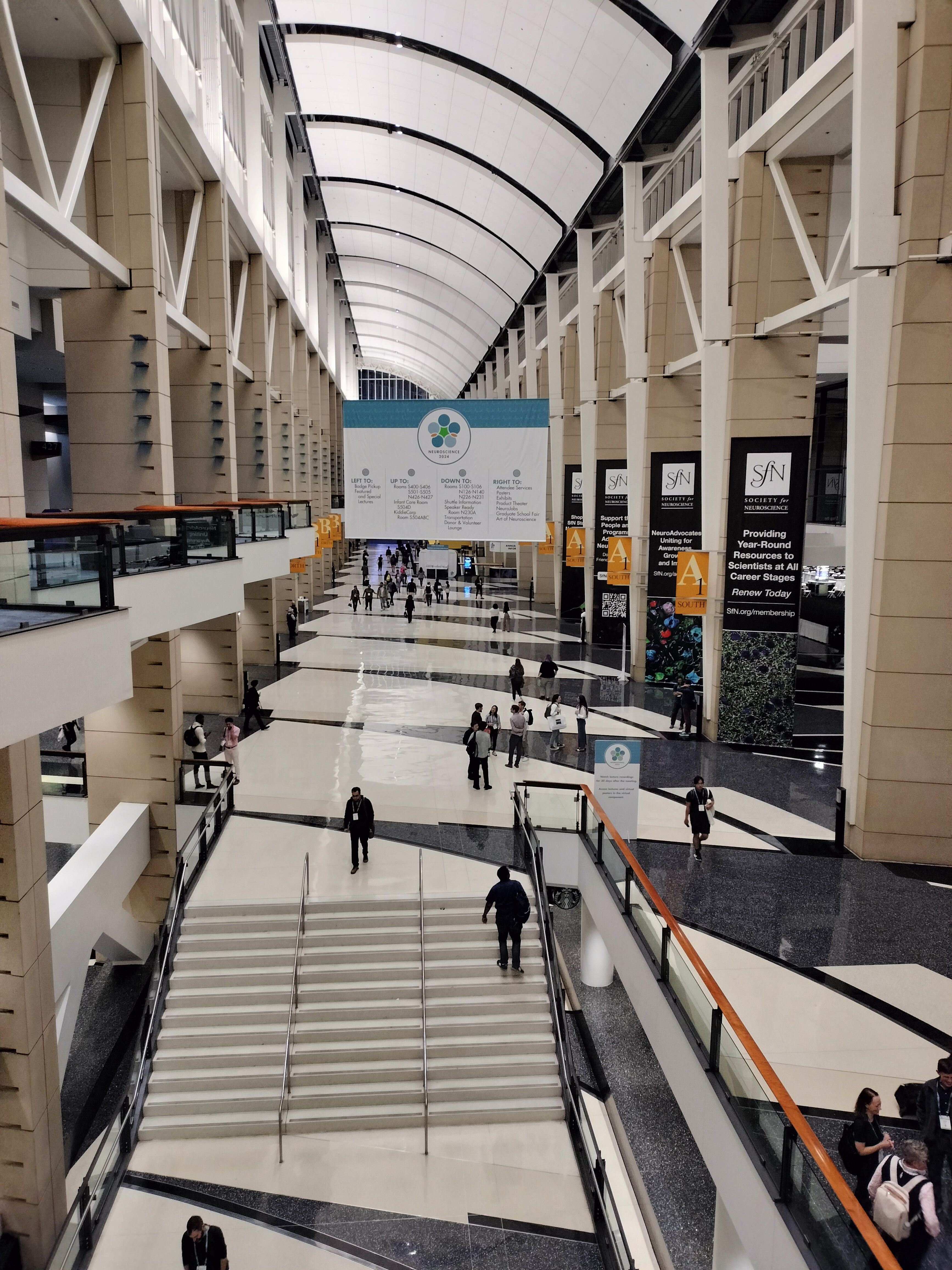
CHICAGO — The Society for Neuroscience (SfN) was hosted in Chicago at McCormick Place over a five-day span on October 5 to 9, 2024 for the purposes of sharing the latest neurobiological research through lectures, exhibitors, industry professionals and poster presenters.
In 2024, over 22,000 people from around the globe attended SfN. Thus, neurobiologists from Illinois’ major universities like UIC, NIU, UChicago, Northwestern and NEIU among others all had the opportunity to engage with the latest research in brain diseases, disorders, treatments and plausible cures to these ailments. On November 15 to 19, 2025, SfN had once again been hosted in San Diego, CA.
“The best part about these conferences is that you’re bringing a collective group together that doesn’t commonly really see each other unless they’re at conferences,” Nic Hubacz, 2024 Business Development Manager at MagstimEGI and 2024 SfN Exhibitor, said.
Illinois students who are new to attending major professional science conferences may feel intimidated or overwhelmed to pay a visit to such endeavors. “The most important thing is don’t hesitate to ask somebody a question,” Hubacz said. “People want to talk about themselves; people want to talk about the companies that they’re involved with; they want to talk about the research they’ve done.”
According to JT Vannah, a 2024 product consultant at NeuroTech and 2024 SfN exhibitor, some gaps existed at 2024’s conference, and she hopes that they get filled in the future. “I feel like an area that’s desperately been underused is psychiatry, and we have this large gap between neurology and psychiatry where neurology actually looks at the brain but psychiatry doesn’t,” Vannah said. In other words, neurobiology looks at anatomy and physiology of the brain, while psychiatry focuses on thought processes.
Rahul Singh, a 2024 student at Yale University, presented “Geometrical Motifs of First-Episode Psychosis (FEP) in Live Dyadic Interactions” where he worked with human test subjects while conducting his research.
Poster presenter, Singh, shared the idea behind his research with the The Lincolnwood Times. “We are trying to characterize or find the biomarkers of first episode psychosis patients. So first episode psychosis is like for young adults, which further develops to schizophrenia as they age and our goal is to find some kind of characterization or biomarkers using AI computational techniques, so that, that can be used for diagnosis or even give for the betterment of the treatments,” Singh said.
“We found that if we combine the different Neuro Imaging techniques like [Functional Near-Infrared Spectroscopy] (fNIRS) and [electroencephalogram] (EEG) then we can get better biomarkers and better characterization. So, that is the biggest finding that we have here because people record [them individually] but they don’t know the methods [for] how to combine them together,” Singh elaborated. Thus, the correlation between fNIRS and EEG data models allow particular biomarkers to be discovered.
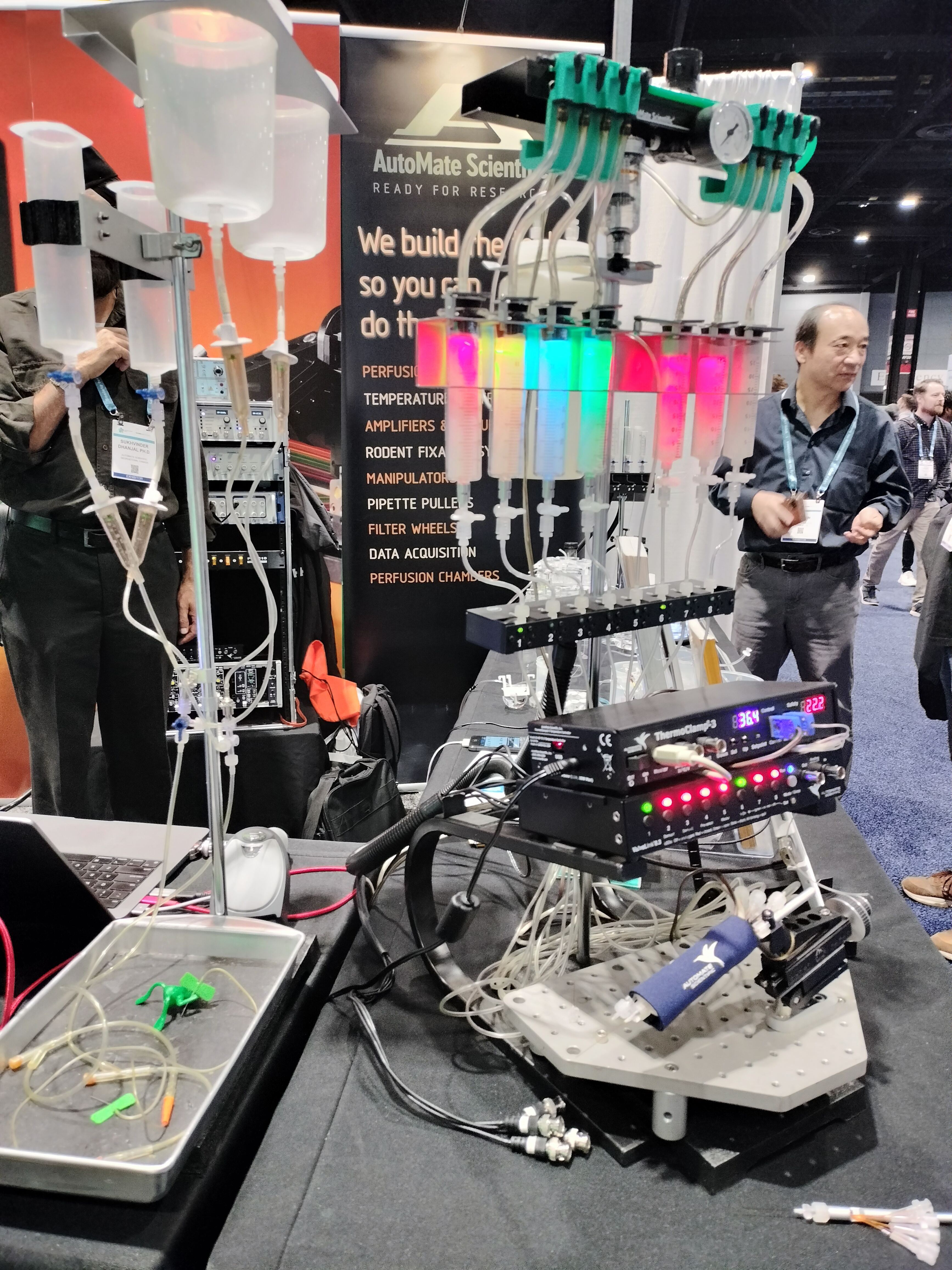
Conferences like SfN, American College of Cardiology (ACC) and American Association for Cancer Research (AACR) are places that allow the research from student researchers and private industry leaders to meet and exchange ideas to drive human ingenuity forward and achieve more than what was previously thought possible.
“Especially in university settings, research is the basis for all innovation,” Hubacz said. “And as somebody who’s on the translatable side of innovation and industry, it’s great not only seeing where we’re coming from in terms of applying this in [a] clinical research setting, but also understanding the posters, and the research behind really what’s coming through these pipelines.”
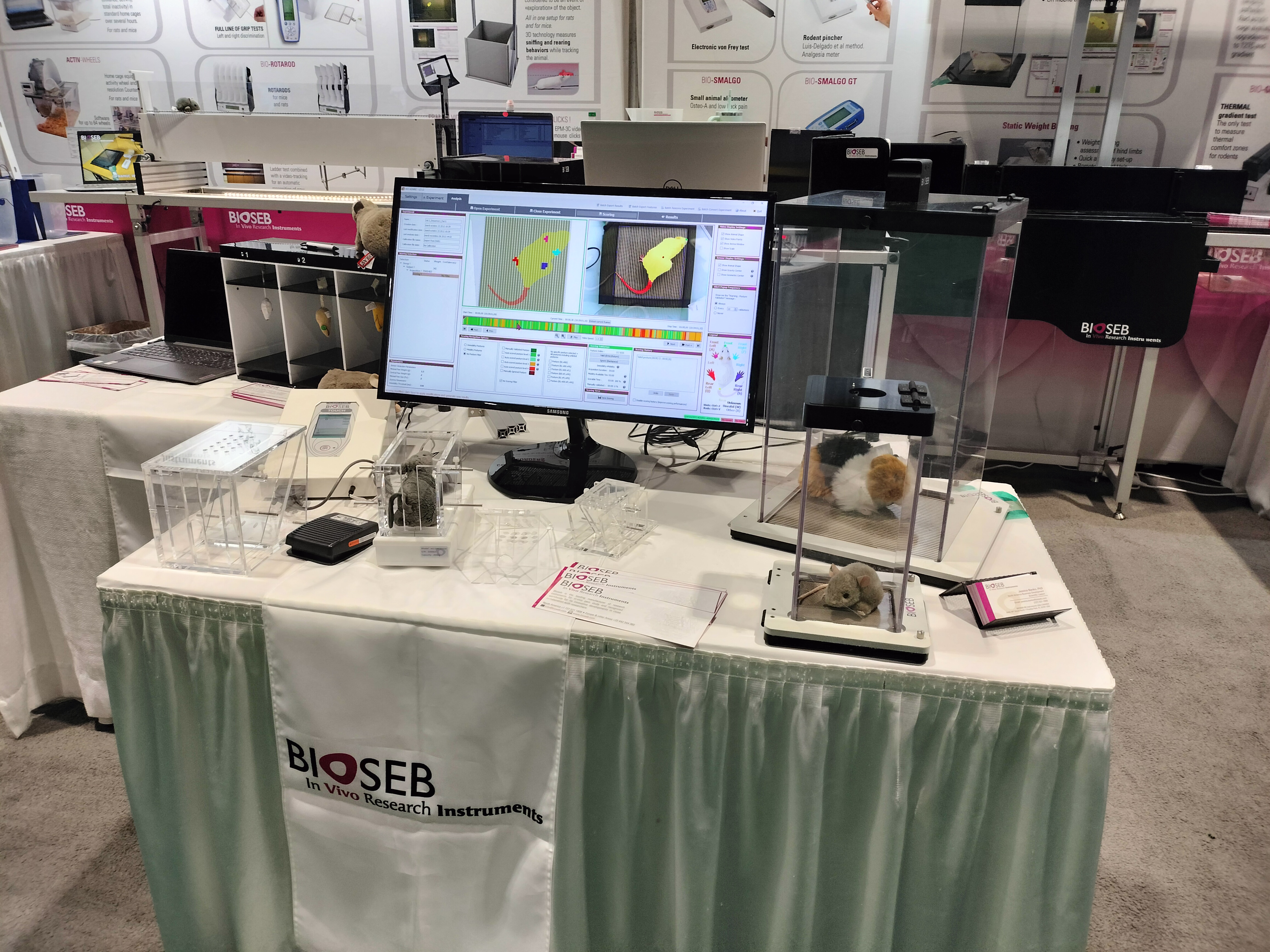
EEG, transcranial direct current stimulation (tDCS) and transcranial magnetic stimulation (TMS) were among the top biotechnological hardware that proliferated the floor of the exhibitor hall for the five-day event in 2024. Thus, there were lots of competing vendors for medical laboratories and researchers to choose and purchase the best product that fits their needs. “The greatest part about the capitalistic efforts especially in a medical science field is it pushes people to want to create things now,” Hubacz said.
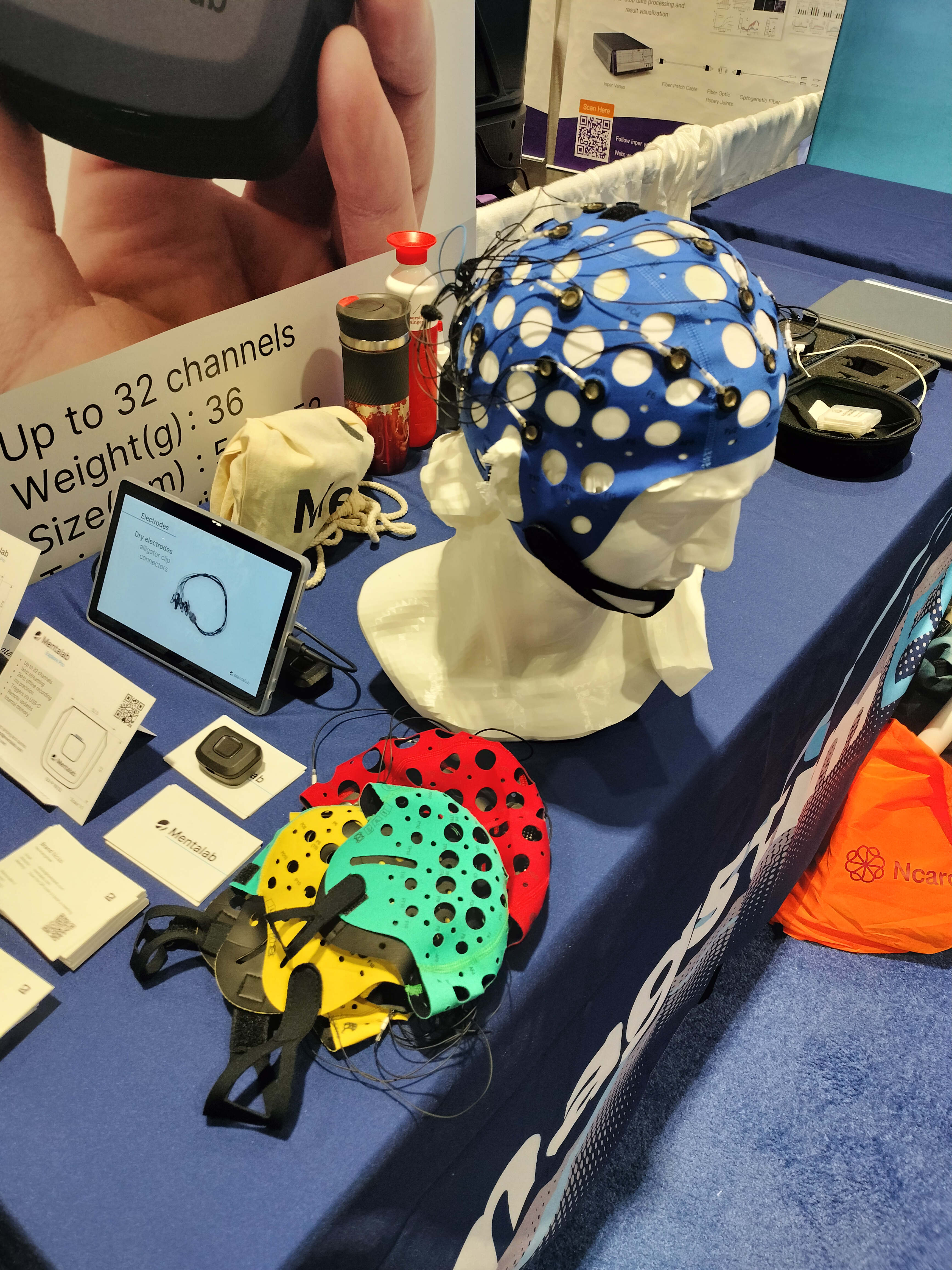
EEG, tDCS and TMS devices are portable devices featured at 2024’s conference. On that remark, “I felt the need [that] there’s more applications available with these eventually take-home devices where patients [can use] if you have somebody suffering from Alzheimer’s disease or Parkinson’s disease or depression, [and] it’s hard for them to get to a clinician’s office,” Vannah said.
One poster presenter, Yujin Goto, 2024 PhD candidate at National Institute for Physiology from Okazaki, Aichi, Japan, made a prediction on where neuroscience will progress for upcoming conferences in the coming years. “I think the aspects from computational neuroscience or the neuron network submissions will be more important in neuroscience,” Goto said. Last year, Goto presented “The consistency of the EEG dynamics related to perceptual learning” where he worked with human test subjects while conducting his research.
“How do you motivate individuals who are very smart, how do you motivate people that maybe might not just have moral and ethical standards?” Hubacz asked. “They want to create things, so they can produce things, [and] they can see validation in what they’re doing. Capitalism is a great way to do that, and the competition is also a great way to do that,” Hubacz answered.
“EEG is really great when paired with TMS. Our team at MagstimEGI actually acquired an EEG company a couple years ago because we understand how important it is to understanding the brain, understanding the activity maps [and] understanding how we diagnose people from a neuroconnectivity standpoint,” Hubacz said.
“With tDCS, the applications are very diverse; we can talk about treating people with depression, anxiety [and obsessive compulsive disorder] (OCD),” Hubacz said. “We can also talk about enhancing somebody’s athletic ability by maybe enhancing decision-making or maybe it’s motor movements and priming motor movements.”
Networking is incredibly important for Illinois college students in order to find the most optimal jobs in the public and private sector. “The biggest thing if you want to network appropriately is ask people questions and provide context,” Hubacz said. “When you want to provide context, just be curious literally; I know that’s a broken record, but really think about something that you’re learning, or think about something that you’re talking about, and think about where this could go, not only in the present, but where this can go in the future.”
Vannah wanted to encourage more students and young professionals from Illinois to attend science conferences by saying, “I think anytime you go to a conference, you learn something new about what people are doing or just even questions they’re asking.”
SfN is not just for neurobiologists, as Singh put it. “Here you will see mathematicians; here you will see data scientists; here you’ll see even AI [engineers], so there are many opportunities for you to get engaged in,” Singh said.
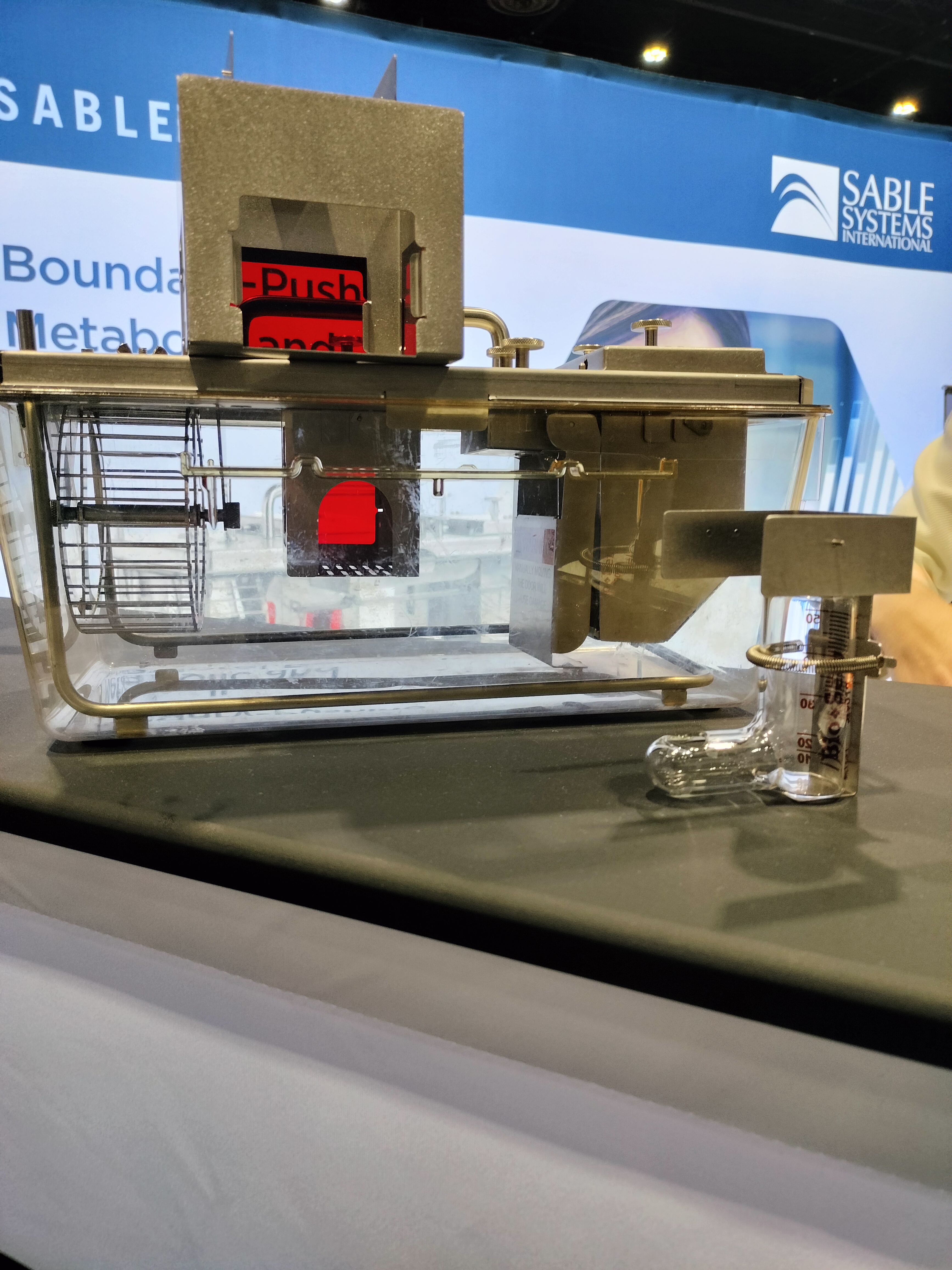
SfN has given students from across the globe opportunities to collaborate with like-minded researchers as one poster presenter put it. “In Japan, there’s no researchers doing [the] same kind of a similar study, so I have no chance to discuss with the other [researchers]. But in the SfN, I could discuss my research with so many people, so yea, this is the amazing part of participating in SfN,” Goto said.
Another perk of attending conferences is to pick up promotional goods that illustrate the products that are being innovated and serve as a reminder to drive science forward. “So there’s always free merch, and the free merch is awesome because it’s really cool things you get to—kind of take almost a piece home from the conference.”
Illinois students who are interested in submitting abstracts for 2026’s SfN conference in Washington D.C. can do so on their website. Abstract submission is now open at https://www.sfn.org/meetings/neuroscience-2026/call-for-abstracts.